Did You Know?
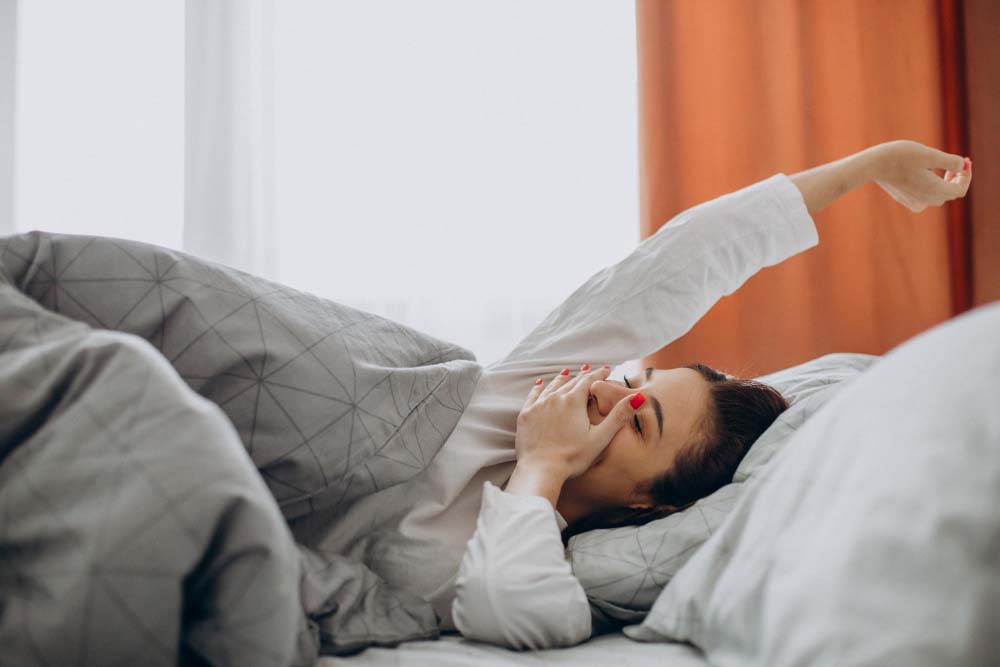
We wake up six times a night on average – we just don’t remember doing it.
When you’re dreaming, your eyeballs move rapidly under their lids but your muscles are paralysed.

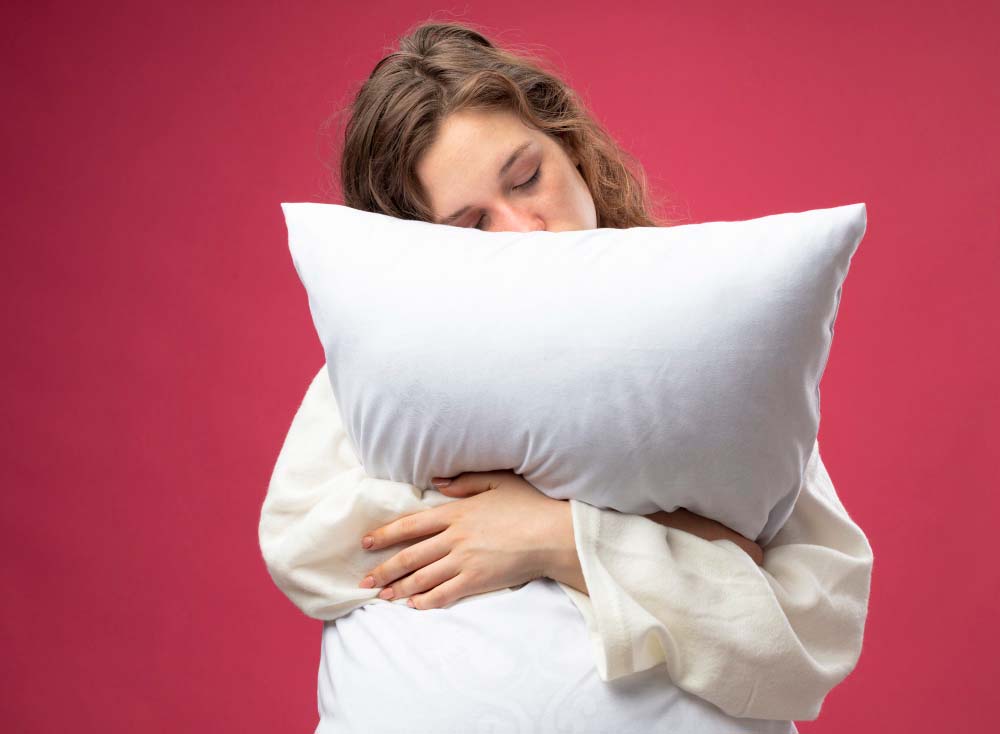
“Fatigue is the best pillow.” – Benjamin Franklin. Get busy and tired to get sleep.
Sleep deprivation can age your brain 3-5 years and increase the risk of dementia by 33%.
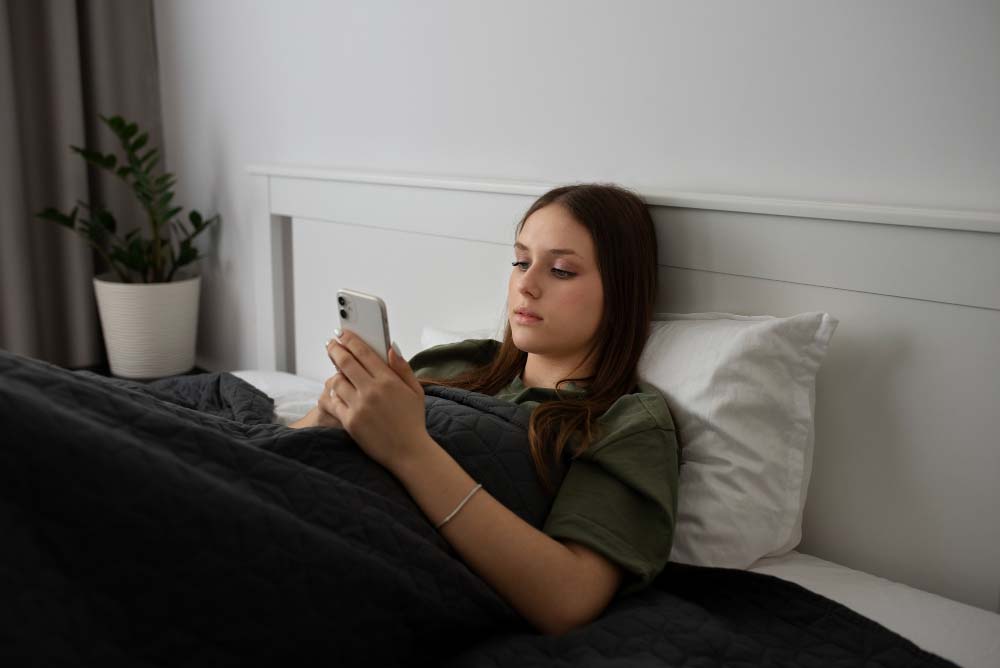
The infamous midday nap is a promoted way of living in Spanish and Japanese cultures.
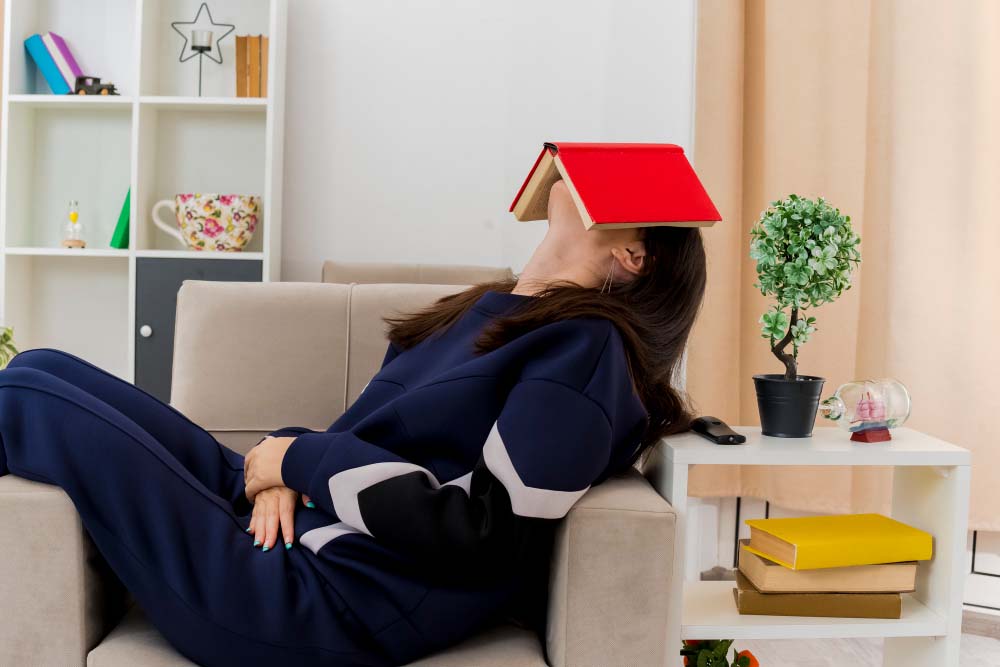
The world’s loudest snore is 111.6 decibels – that’s as loud as a jet plane!
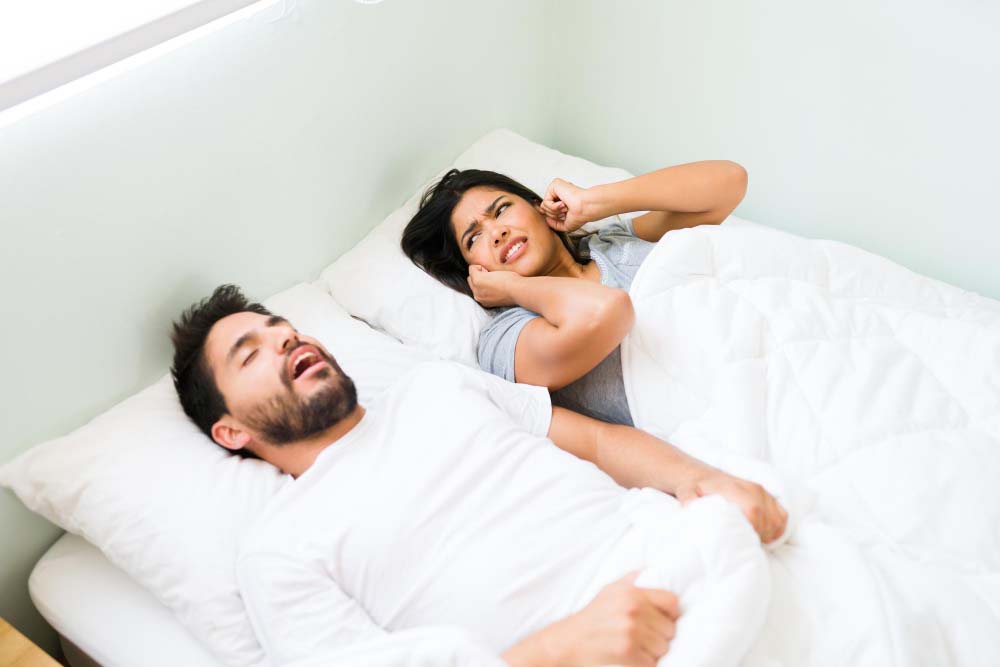
Do you sleep longer, eat more, and feel gloomy in winter? You might have Seasonal Affective Disorder – or SAD.
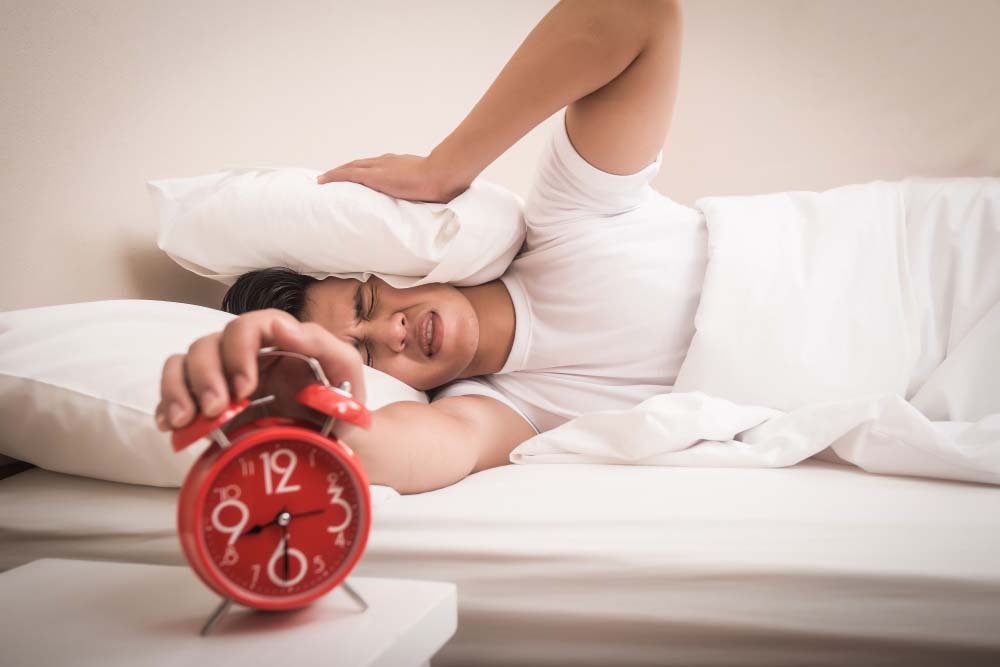
It isn’t until the age of 7 or 8 that children experience their first memorable dreams.

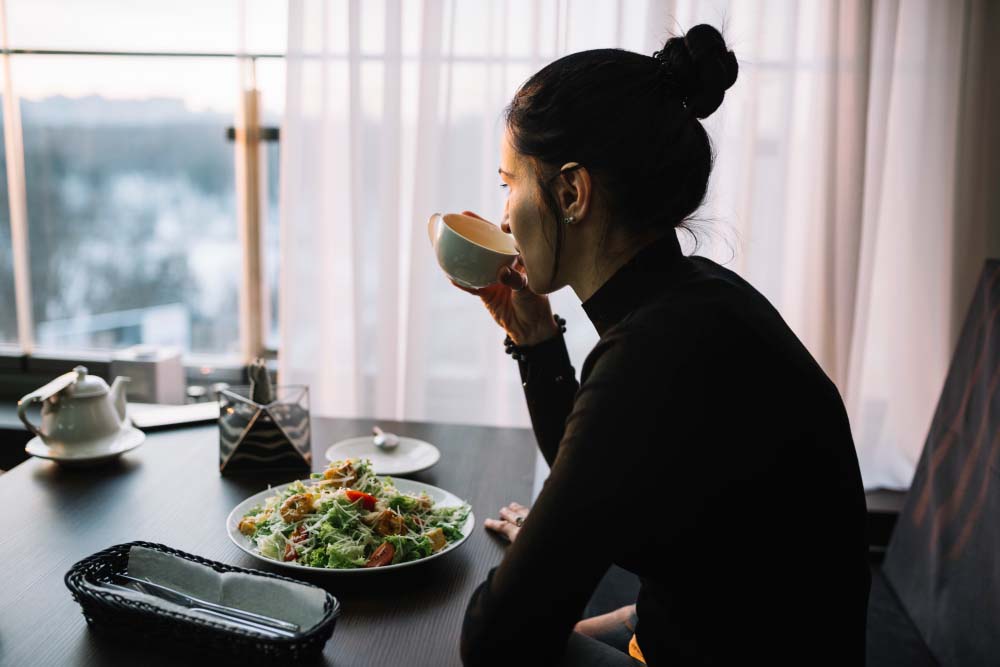
Eat early and light at night. Your body can’t relax if it’s hard at work digesting your dinner.
About 10% of people dream entirely in black and white their whole lives.
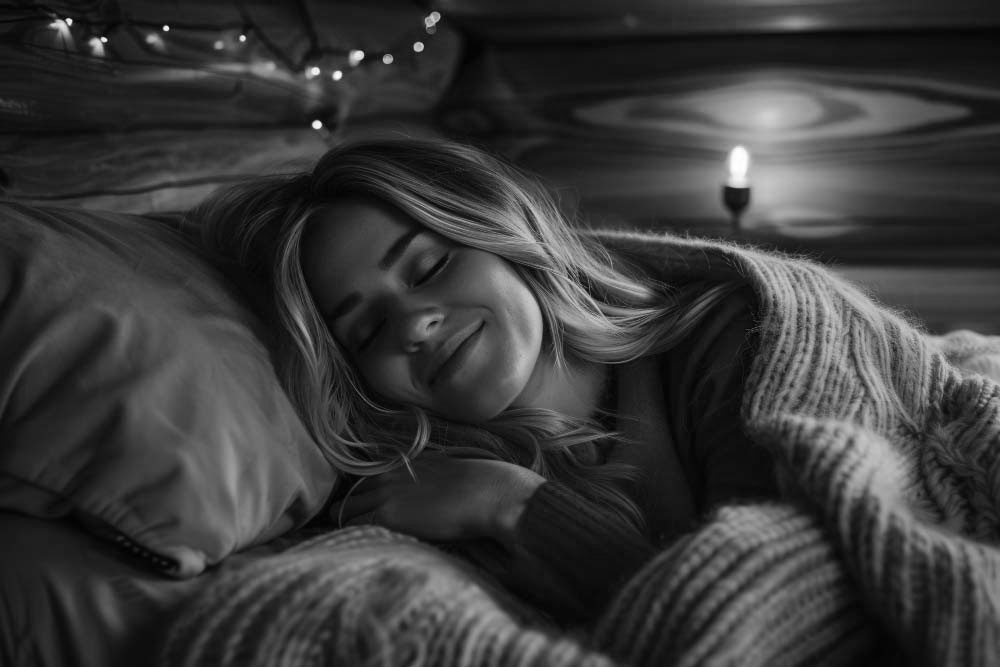
Worrying about poor sleep quality or duration can ironically delay sleep.
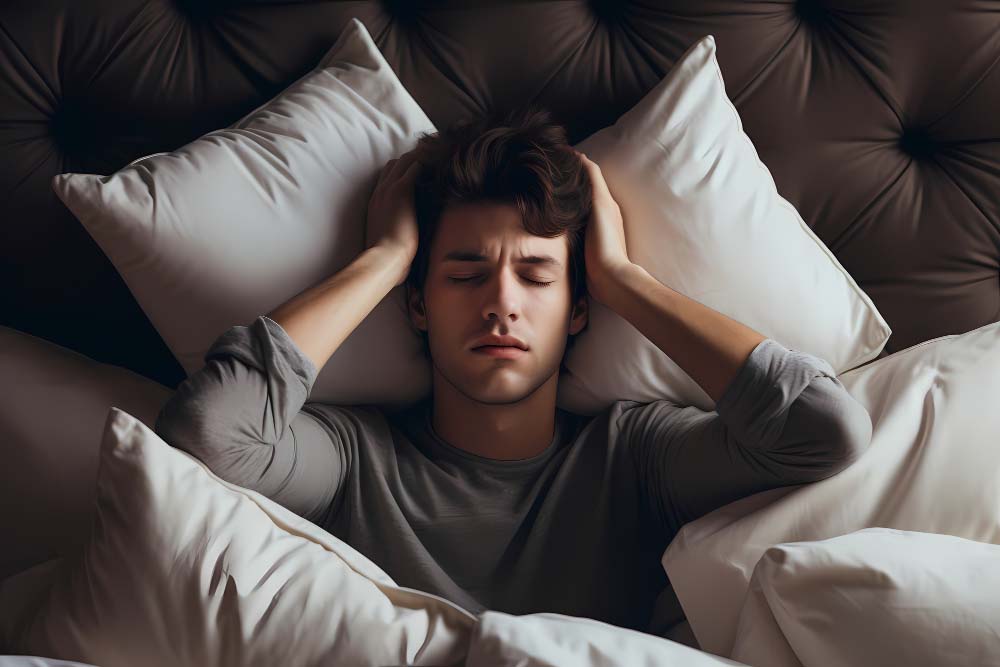
The phrase “sleep tight” comes from ancient mattresses supported by tight ropes.
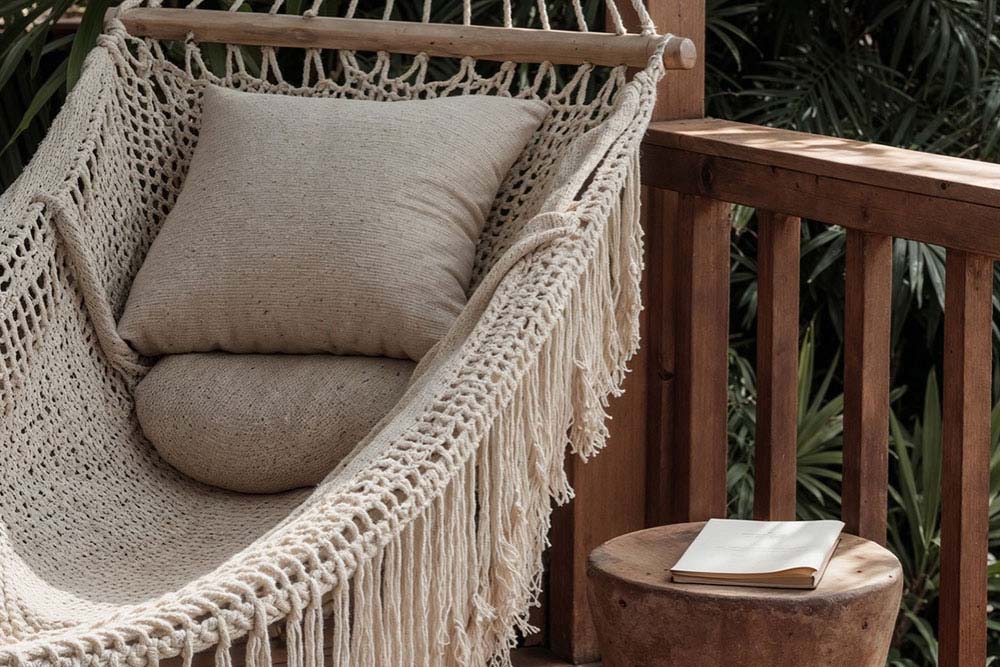

Sleep Essentials
- Memory foam was invented by NASA in 1966 to improve crash protection and comfort in aircraft seats.
- Smart blankets adjust their temperature in real time based on changes in body heat.
- Modern pillows use diverse fillings such as memory foam, feathers, wool, and buckwheat for firmness, support, and temperature regulation.
- Over ten years, your mattress will double in weight, collecting dust, mites, skin cells, and sweat along the way.
- After 10 years, a mattress will have deteriorated by as much as 75% from its new condition, requiring a change.
Sleep Technology
- Sleep technology is now integrated with smart home systems, adjusting lights, temperature, and sounds automatically to create perfect sleep environments.
- Contactless sleep monitoring uses radar and infrared sensors to track breathing, heart rate, and movements without any wearable device on the body.


Sleep Furniture
- The supposedly "modern" folding beds were a popular multipurpose furniture item in Ancient Greece.
- Recliners reduce snoring and sleep apnea by keeping airways open through upper body elevation.
Sleep Environment
- Colours on the wall can chill or excite your brain; mellow blues and greens help, but intense reds might rev you up.
- Reading books on your device can hurt your sleep; try reading paperbacks in dim red or orange light.
- Pollution in the air you breathe at night may mess with your breathing and cause snoring or sleep apnea.
- Your body activates the “go to sleep” hormone melatonin in darkness. Choose gentle, dim lighting in the bedroom to prepare for sleep.


Health & Wellness
- Many otherwise healthy individuals who experience a poor night’s sleep report increased anxiety the following day.
- There are 3,000 touch receptors in a fingertip. Massage can reduce heart rate and blood pressure, helping you sleep faster.
- A warm glass of milk can help you sleep better as it contains tryptophan, calcium, and magnesium – relaxing the body.
- Tryptophan speeds up sleep onset; foods rich in it include bananas, almonds, eggs, dairy, spinach, oats, and soybeans.
Information & Awareness
- Circadian rhythm is the body's natural, 24-hour internal clock that regulates the sleep-wake cycle.
- Women sleep more than men but experience more difficulty falling asleep.
- Consuming caffeine 6 hours before bedtime reduces total sleep time by 1 hour.
- Drowsy driving is a factor in 21% of fatal crashes; sleepy drivers often fall asleep at the wheel.
- Two extremely common chemicals disrupt sleep: alcohol and caffeine.
- More than 100 million Indians suffer from Obstructive Sleep Apnoea (OSA).
